

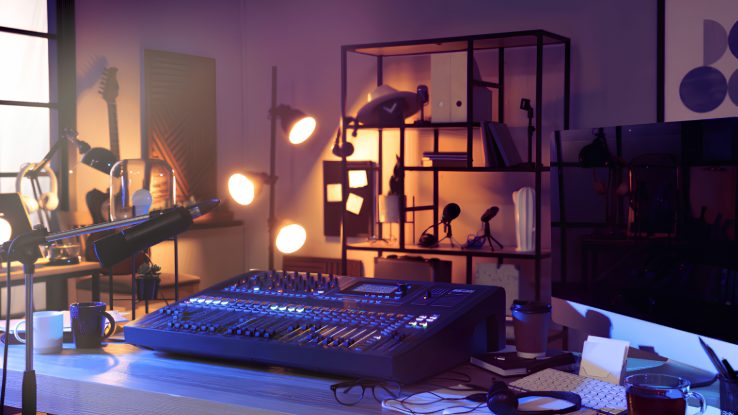
Budgeting for Your Home Studio While Keeping Living Costs Low
Building a home studio is far more achievable than it used to be. These days, you don’t need to rent time in a commercial studio just to produce polished recordings. A decent computer, the right recording software, and a handful of carefully chosen pieces of gear can take you a long way.
That doesn’t mean it’s cheap.
Studio equipment has a habit of creeping into your budget. One plugin turns into five. A new microphone catches your eye. Suddenly you’re pricing acoustic panels when your rent is due next week. If you’re serious about making music, learning how to manage your money is just as useful as learning how to mix a track.
Start With the Gear You’ll Actually Use
It’s easy to get caught up in studio tours on YouTube and think you need racks of equipment before you can make great music. You don’t.
Most producers can build a solid foundation with a few core pieces of equipment:
- A dependable computer
- An audio interface
- Studio headphones or monitor speakers
- A versatile microphone
- A digital audio workstation (DAW)
That’s enough to write, record, edit, and finish complete songs. Once you’ve spent time with that setup, you’ll have a much better idea of what’s actually missing. Maybe it’s a MIDI keyboard. Maybe your room needs treatment before anything else.
Buying gear gradually usually leads to better decisions than trying to build your dream studio overnight.
Free Up Money by Cutting Living Costs
Every musician has to decide where their money goes. If a large chunk disappears on rent every month, there isn’t much left for new monitors, software licenses, or instrument repairs.
For many independent artists, sharing a house or apartment is one of the easiest ways to reduce monthly expenses without giving up their music goals. If you’re looking for somewhere affordable to live, SpareRoom makes it easier to search for shared accommodation. Spending less on housing can leave room in your budget for studio upgrades that genuinely move your work forward.
Creative work rarely comes with a steady paycheck. You might have a month filled with paid gigs, production work, or session recordings, then hit a quieter spell where very little comes in. That’s exactly why keeping your regular expenses low matters. When your rent and other fixed costs are manageable, those slower months don’t feel nearly as stressful.
Treat Your Studio Like a Business
Even if music is still a side hustle, it’s worth managing your studio finances as if you’re already running a business.
Keep your music-related spending separate from your everyday expenses. It doesn’t have to be complicated; a spreadsheet or budgeting app is often enough. Track things like:
- Recording equipment
- Software and plugins
- Sample libraries
- Instrument repairs and maintenance
- Mixing or mastering services
- Distribution and promotional costs
Looking at those expenses in one place makes patterns much easier to spot. You may find you’re paying for plugin subscriptions you hardly open while holding off on buying a piece of gear that would actually make your recording sessions easier or improve the quality of your work.
Buy Gear Because You Need It, Not Because It’s New
Anyone interested in music production knows how tempting new gear can be. Manufacturers release fresh plugins, synthesizers, microphones, and monitors all year round, each one promising something better than the last.
But here’s the thing: better gear doesn’t automatically mean better music.
Before buying anything, ask yourself a couple of simple questions. Is this fixing a problem you’ve genuinely run into? Have you pushed your current equipment as far as it can go? Will this purchase save you time or noticeably improve your recordings?
Sometimes the smartest upgrade isn’t glamorous. Treating a room with acoustic panels can make a bigger difference than replacing a perfectly good pair of monitors. Spending time learning your DAW’s stock plugins can also save you from buying another bundle that sits untouched after a week.
Stretch Your Budget Further
Building a studio doesn’t always mean spending more. Often, it’s about spending smarter. A few ways musicians keep costs under control include:
- Buying quality used gear from reputable sellers
- Waiting for seasonal software sales
- Using free virtual instruments where they make sense
- Learning to record and mix their own music
- Improving their workspace before buying more equipment
Some of the best records started life in surprisingly modest studios. Good songwriting, careful arrangement, and strong production choices will always matter more than owning the latest hardware.
Make the Most of the Gear You Already Own
It’s surprisingly common for producers to spend more time researching new equipment than learning the features of the gear already sitting on their desk.
Most DAWs come with capable EQs, compressors, reverbs, and virtual instruments that can produce professional results in the right hands. The same goes for entry-level audio interfaces and microphones. Before adding another plugin bundle or hardware synth to your shopping list, spend time mastering what you already have.
Set yourself small challenges. Produce an entire track using only stock plugins, or record a song with a single microphone. Working within limits forces you to think creatively, and you’ll often come away with a better understanding of your tools. When you eventually upgrade, you’ll know exactly why you’re buying something, and what problem it solves.
Leave Room to Invest in Your Career
It’s easy to focus every spare dollar on studio equipment, especially when you’re passionate about producing music, but finishing great songs is only part of the process.
People still need to hear them.
That means budgeting for things like artwork, distribution, live performances, promotional content, or courses that sharpen your production skills. Those investments often have just as much impact as the next piece of hardware on your wishlist.
Think of your studio as one part of a much bigger picture. The gear helps you create the music. Everything else helps you build a career around it.
Conclusion
A good home studio isn’t built in a weekend, and it doesn’t need an unlimited budget. It comes together over time, one sensible decision after another.
Keep your living costs manageable, buy equipment with a clear purpose, and resist the temptation to chase every new release. You’ll spend less, stress less, and end up with a studio that’s built around the way you actually make music.