


Organizing Teen Performers for Their First Public Performance
Performing publicly is one of those things that every teen performer should do at least once in his or her lifetime. There are school performances, community events, and even local concerts where teens are given a chance to display their skills. The preparation process includes rehearsals, organization of the equipment, transportation issues, and organization between the parents and organizers. With many performers in the same age group, the slightest mistake will ruin the whole performance.
In order to organize all of the above, parents should give their children a chance to be creative. Creating a list of all the schedules, the performers’ names, and permits needed will make the preparation easier. That is why parents can build fillable PDF forms in order to organize everything about the performers and their equipment.

Preparation for the Event
The very first step would be identifying what needs to be accomplished for this event. It must be noted that the requirements of the school concert have already been determined as regards to the schedule of performances, setting up time, and equipment issues. On the other hand, the community event will require performers to use their own instruments, as well as negotiate with the sound technician.
Teens must identify the time of the event, location, time of performance, and number of songs they will perform. It is also essential to establish whether the microphone, amplifier, drums, and monitors will be provided.
The parents may make a list of what to do:
- Venue, date, time of performance identification
- Setlist creation and its duration estimation
- Rehearsal and transportation arrangements
- Instrument preparation
- Permissions and contact numbers gathering
- Arrival time organization
The plan must be always clear during all stages of the process. Changes can be considered depending on the arrangements, especially concerning the schedule and addition of one more musician.
This is also the right time to discuss the expenses associated with recording. Time, transportation, renting of musical instruments, and editing may have an impact on the budget. A teenager may learn how to handle the budget during recording through keeping track of all expenses.
When the teenager knows the schedule and the budget, he/she can participate in the planning of recording. The parents can provide the funds and communicate when necessary, thus encouraging the teenager to communicate with other people.
Documentation of Studio Information
There will be various types of documentation created by recording sessions. There will be administrative documentation and the creative documentation that might affect the end product.
Let us say a teenager sings a song together with a guitarist and producer. The guitarist develops a melody while rehearsing, the producer reworks the arrangement, and the singer modifies the chorus. These should all be documented while information is fresh.
The writing of songs, studio notes, and contributors can be written separately. This makes it easier for you to review your decisions in the mix of the song as well as discussing credits before releasing the song.
The United States Copyright Office says that musical composition and sound recordings are separate works under copyright law. Writing a song can involve music as well as lyrics and performing the song will require other considerations. Knowing this will enable you to ask appropriate questions in case of many musicians.
Some files for a project can be:
- Session logs: Recorded songs, number of takes, technical issues and other jobs
- Contribution logs: Musicians, writers, producers and their contribution
- Permissions logs: Permissions relevant to the recording and distribution of the materials
- Expense logs: Studio costs, equipment costs and payments
- Release logs: Title, credits, cover art and release date
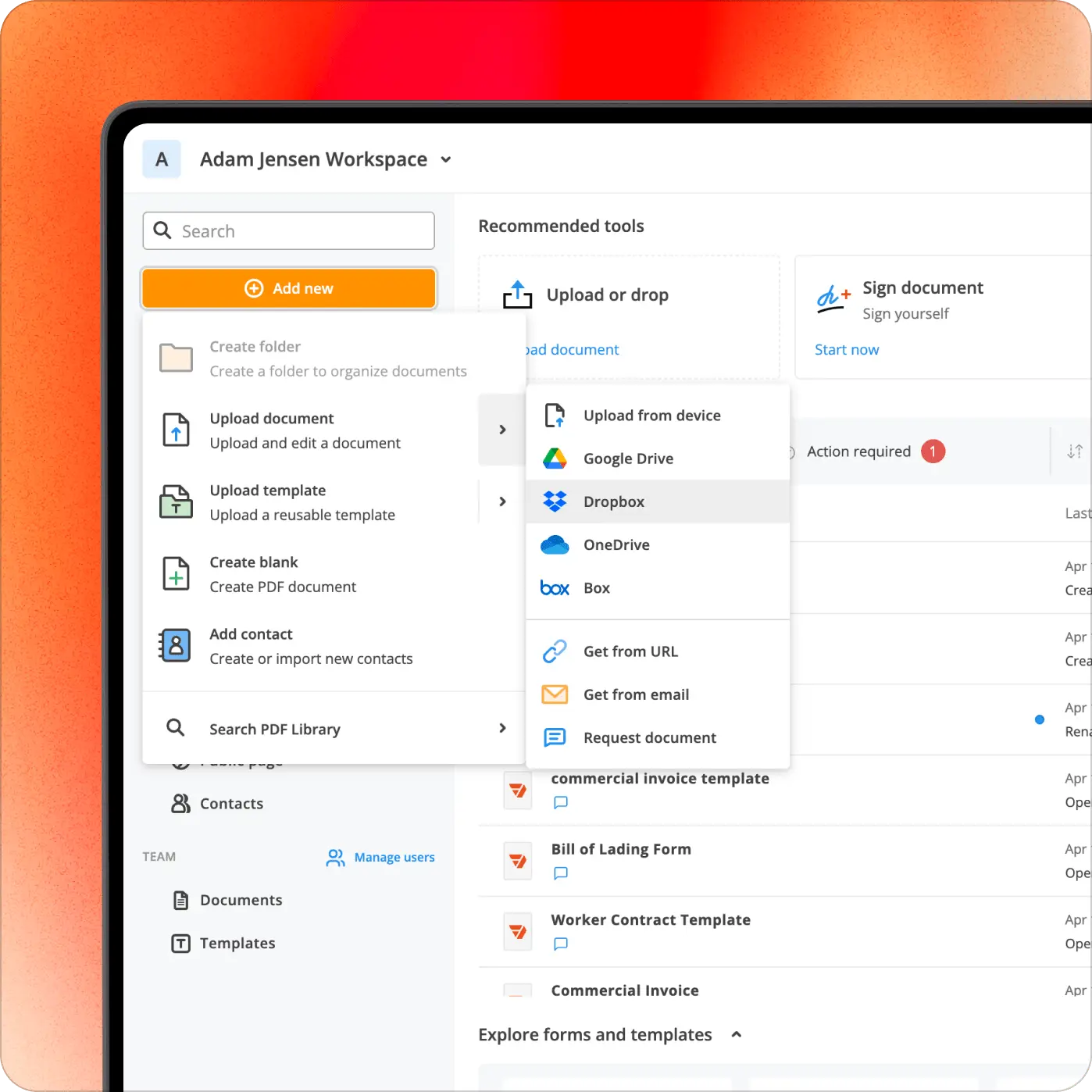
PDF files can be useful if some comments, signatures and formatting of documents are needed. For instance, pdfFiller lets you edit text in PDF documents, annotate and create fillable forms. Such a feature as LinkToFill can be used by this program to publish a document online through a web link to gather information and signatures.
A fillable session form can be used for a standard project in the studio to document the same data during every session. The teenager can complete this form after checking what has been done, such as microphone placement, incomplete vocal takes and editing requests.
Personal sensitive information should be gathered only when it is necessary and be accessible only to appropriate people.
Credits and Collaborations
There may be problems when friends collaborate to compose a song. For instance, one person might compose lyrics, while another will have the melodies, and someone else will have the instruments during the rehearsal process.
It is best to iron out these matters before anything happens. As pointed out by Berklee Online on how to find collaborators in music, it is important to address all matters concerning songwriting and publishing rights. This is possible through the use of a split sheet.
When it comes to teenagers, the parents might help in solving this matter. Assuming that there are four students who composed an original song for the school music assignment, where two students wrote the lyrics and music, one student did the bass playing, and the other did the recording and editing. The students’ participation may consist of various types of credits and rights. Simply mentioning everyone involved as the songwriter may lead to erroneous documents.
It would be reasonable before signing final credits to check who contributed to composition, who played during the recording, and how the deal was established about the finalized production.
There are electronic documents that can assist in establishing these records. pdfFiller has the eSignature feature with the audit trail functionality that allows recording document interactions and signature actions. Electronic signatures are recognized by the ESIGN Act and UETA in the United States; however, whether a certain document is legally binding depends on its conditions.
If all participants in the project are minors, their families should consult properly on agreements and the possible participation of parents/guardians in the agreements. Electronic signature solution does not affect the suitability or legality of agreements.
Accurate records will also protect from disputes in case the school project becomes a product of publication of the musicians.
Sharing Finished Recordings

The completion of the recording process brings with it new questions. Teenagers might wish to upload the recording, post a rehearsal video, or send the completed track to a music teacher.
Prior to any publication, the group needs to review the credits on the recording, artwork, song title, and any permissions concerning the material.
The recording that has been created by several performers might need to have discussions concerning the use of the completed recording. The promotion video might include recognizable images of classmates, studio employees, and audience. Parents can ask teenagers to get necessary permission prior to sharing materials involving other people.
The same principle needs to be applied when naming files. Final mixes, unfinished mixes, artwork files, and paperwork should have understandable names. A folder named after the title of the song and the date of the recording is a good beginning.
For instance, the project might include a final master recording in WAV format, a listening file, artwork files, the sheet of credits approved by all participants, and the document describing the publication process. Older mixes should be saved in a different folder.
In this respect, teens should also have knowledge of the basics of hearing protection. According to the American Academy of Pediatrics, high levels of sound can harm their hearing even in the process of using headphones. Appropriate levels of monitoring and rest pauses should be applied while recording.
Parents don’t have to oversee all editing sessions. It will be enough for them to teach their teens to record in a healthy way, speak about public performance and point out certain situations when adults’ participation becomes necessary.
The final result of a recording should provide the young musician not only with a song but also with useful experience in addition to this music.
FAQ
How can parents help teens prepare for their first gig?
Parents can help in organizing rehearsals, transportation, equipment, and contact with event organizers. It is important that teens organize practice on their own and coordinate with other band members.
What equipment should a teen band check before their performance?
A teen band should make sure they have their instruments, amplifiers, microphones, cables, electricity, and everything else that the venue will provide. Extra strings, batteries, and drum sticks will come in handy as well.
How many rehearsals should teens arrange before a live performance?
There is no set number. A band should keep on rehearsing until the members feel confident in playing their set and coordinating between the songs.
What papers could teenage musicians require for performing in a concert?
It is up to the organizer to ask for information, parental permission, requirements concerning the musical equipment, etc. Teenagers’ parents need to find out the required things from the organizer.
Do teenagers need to record their first live performance?
Video recording may be helpful for musicians to evaluate their playing and sounds. Teenagers should think about copyrights and people who will appear in their video before publishing.